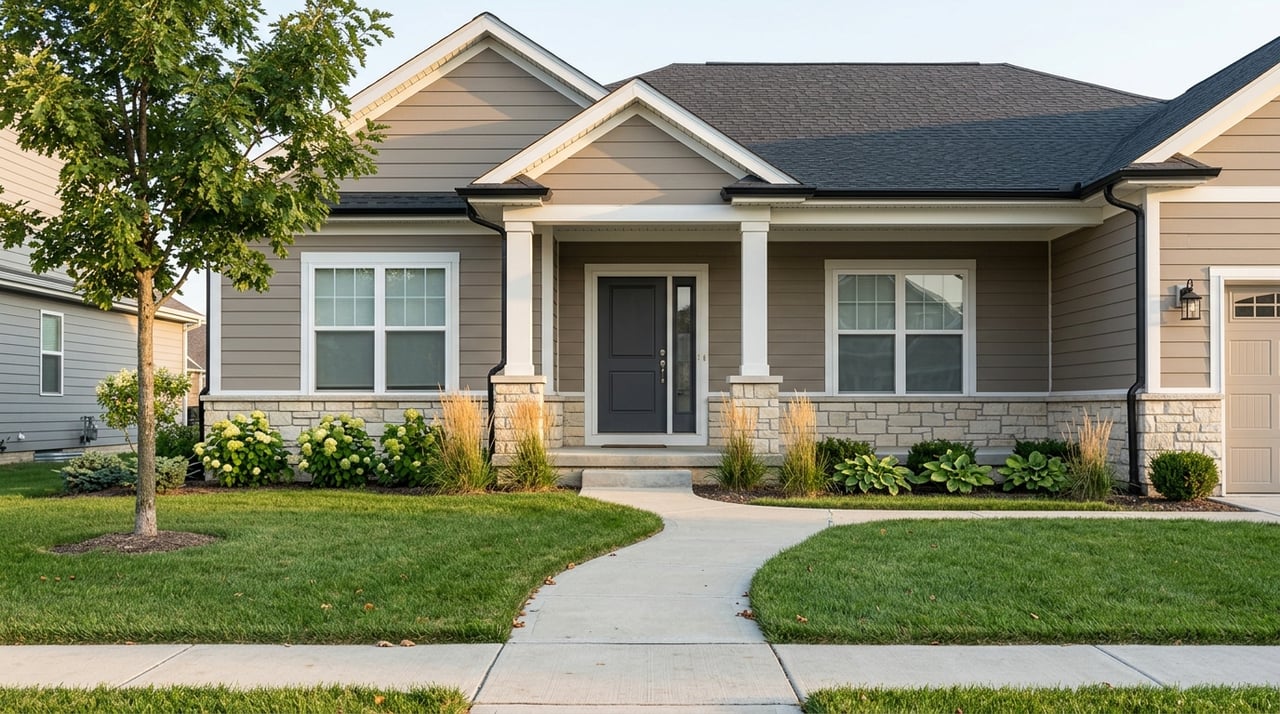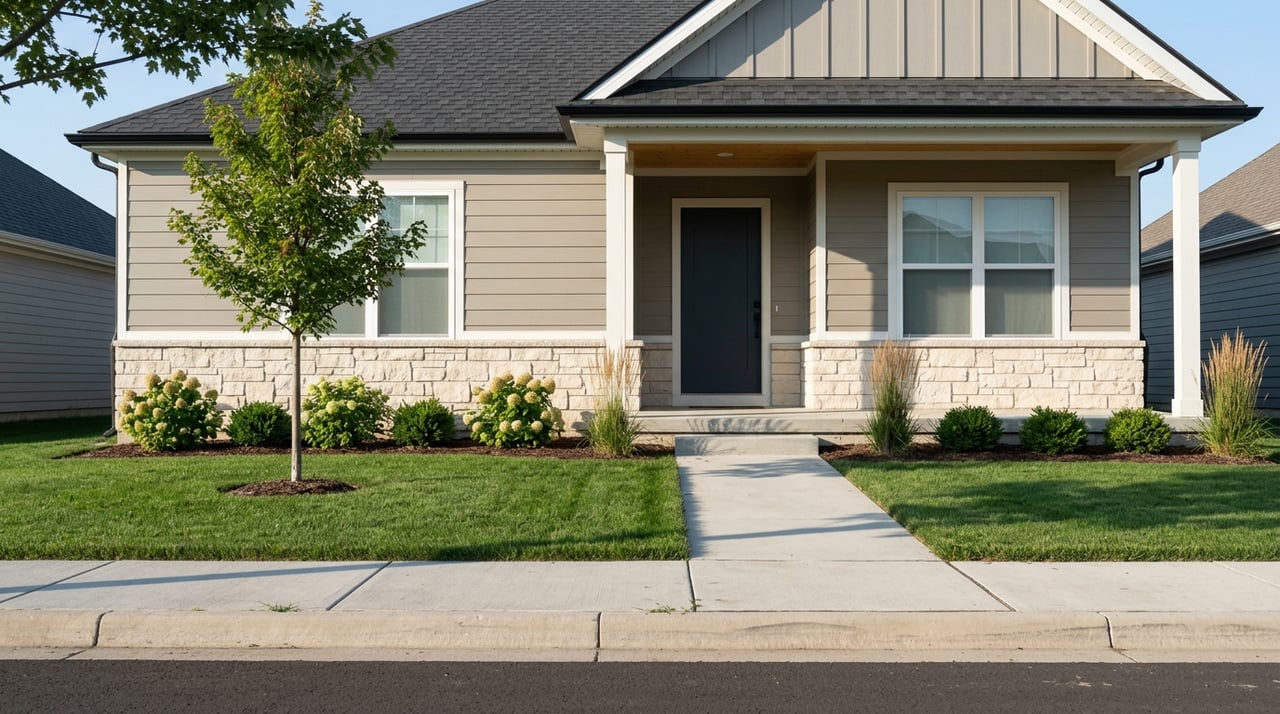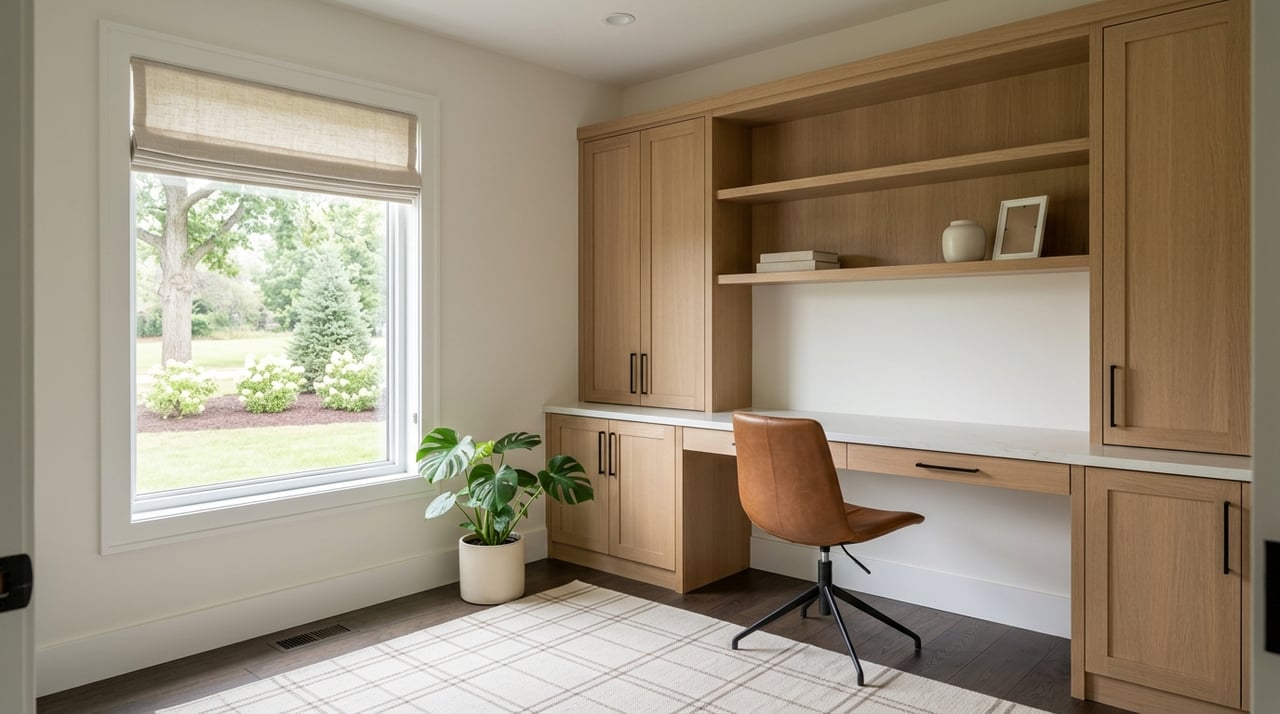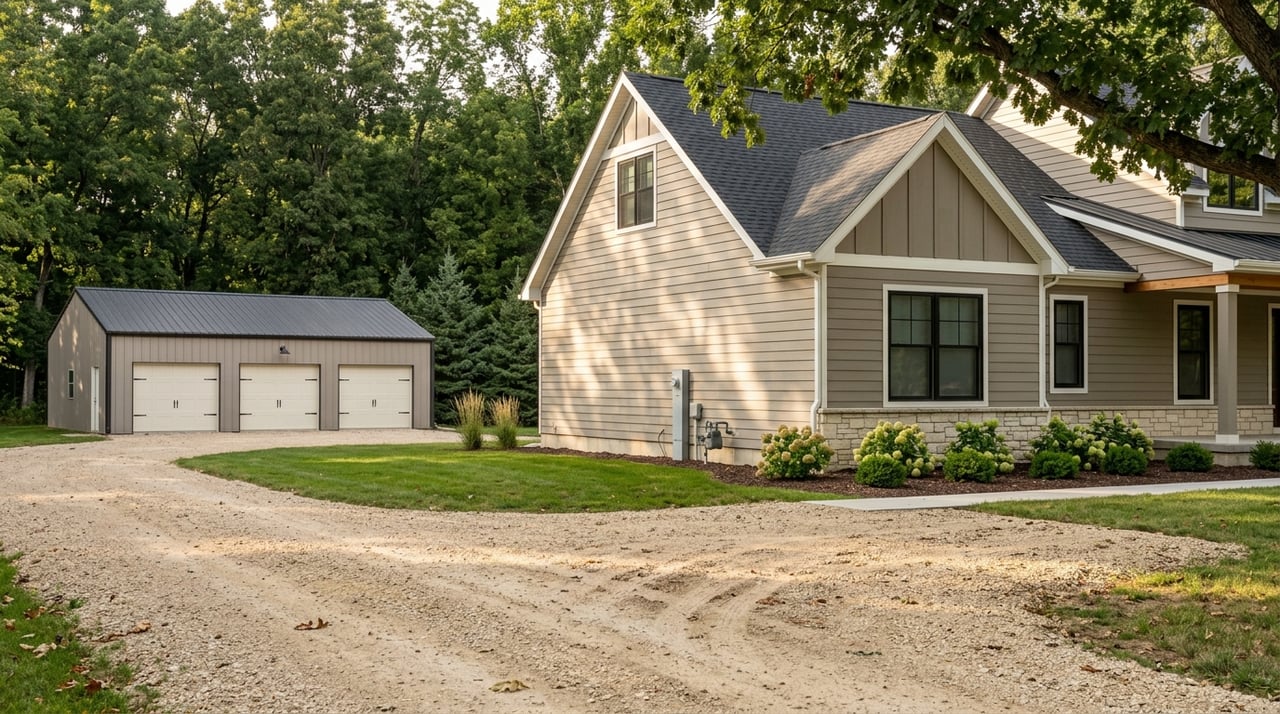
Dreaming about more space near Granger? Acreage living can be a great fit if you want room to spread out, but it also comes with details that are easy to miss if you are used to buying in a typical neighborhood. From zoning and utilities to wells, septic systems, and financing, the right property depends on more than the number of acres. Let’s dive in.
Acreage living can mean different things
Near Granger, the phrase "acreage living" does not describe just one type of property. A home inside city limits can have very different utility service and land-use rules than a property in unincorporated Polk County.
Inside Granger, water and sewer are city-owned and maintained. In unincorporated Polk County, some areas connect to an expanding sanitary sewer network, while others rely on private onsite wastewater systems.
Zoning also shapes what a property is meant to be. Polk County uses different rural zoning districts with very different expectations, including AG and AT districts with 35-acre minimum lots, ER with roughly one home per three acres and onsite septic, and RR with roughly one home per acre with septic and public water.
Start with zoning and land use
Before you fall in love with a home, make sure you understand how the parcel is zoned. On acreage properties, zoning affects how the land is viewed, how it can be used, and sometimes how it will be financed or appraised.
This matters because buyers often assume all rural homes function the same way. In reality, a property in a true agricultural setting may be treated differently than a residential acreage in a lower-density district.
If the site is larger than what is typical for the area, lenders and appraisers may take a closer look. They often focus on present land use, zoning, and whether the property still functions as a typical residential site rather than agricultural or development property.
Check utilities before you write an offer
One of the biggest differences between subdivision living and acreage living is the utility setup. You will want to confirm whether the property uses public water and sewer, a community system, or private well and septic.
That answer affects both your day-to-day ownership and your loan process. It can also affect future maintenance costs and what inspections or permits may come into play.
If a home relies on private or community systems, legal access matters too. Buyers should confirm that those systems are available, legally accessible, and supported by any needed maintenance or access agreements.
Public water and sewer
Some acreage-style properties near Granger may still have access to public utilities. If they do, the utility setup may feel more familiar to buyers coming from a suburban neighborhood.
Even then, it is smart to verify exactly what is connected and who maintains it. A listing description may say "acreage," but the service setup could be very different from another property just a few miles away.
Private wells and septic systems
If the property has a private well or septic system, you should expect more due diligence. In Polk County, Environmental Health Services handles private onsite wastewater permits and inspections, private water well permits and inspections, and drinking-water well testing.
County guidance says septic permits require an application plus a percolation test and or soils analysis by a professional engineer. Iowa rules also require a permit for private well construction, and well work must be done by a DNR-certified contractor or the owner.
Plan for ongoing well and septic maintenance
Acreage ownership usually includes system maintenance that many suburban buyers have never had to think about. That does not make it a bad choice, but it does mean you should budget for it from the start.
Iowa DNR recommends testing private drinking water at least once a year for coliform bacteria and nitrate. The state also recommends arsenic testing at least every three years, and well owners are responsible for confirming the water is safe to drink.
Septic maintenance matters too. Iowa DNR says septic tanks should generally be pumped every three to five years by a licensed commercial septic tank cleaner.
Buyers should also ask whether there are any abandoned wells on the property. Unused or improperly plugged wells can create contamination pathways and may need attention.
Outbuildings deserve a closer look
One reason buyers love acreage properties is the extra flexibility. A barn, workshop, detached garage, or shed can add a lot of value to your daily life.
Still, these structures should be reviewed carefully. In Polk County, detached garages, sheds, and similar buildings can be subject to local site and floodplain rules, especially if the property has any floodplain considerations.
That does not mean an outbuilding is a problem. It simply means you should confirm how it is classified, whether it complies with local rules, and whether its current use matches what is allowed.
If you are thinking about adding a fence, trenching for utilities, or building something new later, remember that Iowa law requires underground utility locates before digging. It is a simple step that can prevent expensive mistakes.
Financing acreage near Granger
Financing an acreage home is often possible, but it may not follow the same path as a standard in-town purchase. The property itself can shape what loan options make the most sense.
That is one reason preparation matters so much. The more clearly you understand the property, the easier it is to match it with the right financing strategy.
USDA loans
USDA financing can be a strong option for some buyers looking near Granger. The guaranteed program allows 100% financing in eligible rural areas and has no set acreage limit.
That said, the home must be an owner-occupied primary residence and not an income-producing property. Buyers also have to meet USDA income guidelines, and eligibility must be checked by address because it is parcel-specific.
FHA loans
FHA financing can work for acreage properties too, but reviews are often more detailed. FHA requires public or community sewer whenever it is feasible and available at a reasonable cost.
If a property uses onsite sewage, it must function properly and meet local health department standards. FHA guidance also requires well-water testing by a disinterested third party, and visible sewage-system concerns can trigger additional inspection.
Conventional loans
Conventional financing can also be a fit, but rural appraisals often get more nuanced. If the parcel is larger than what is typical for the market, lenders may look more closely at whether the property still fits standard residential lending guidelines.
Appraisers may also need to use older or more distant comparable sales if there are not enough recent nearby acreage sales. That is common in rural markets, but it can affect timing and valuation expectations.
Parcel layout and appraisal details matter
Not all acreage parcels are simple one-lot properties. If the home includes more than one parcel, that can create extra review during financing and title work.
In general, lenders may look for parcels to be conveyed in full, to adjoin each other or otherwise be acceptable together, to share the same basic zoning, and to include only one dwelling across the full security property. Those details matter more than many buyers realize at first.
Appraisals on acreage also must reflect the entire parcel, not just the house site. That means land configuration, access, utilities, and overall use can all affect value and loan eligibility.
Title review is especially important on acreage
Title work matters on every purchase, but it often becomes even more important on rural and acreage properties. Larger parcels can come with shared driveways, utility easements, encroachments, survey exceptions, or unpaid taxes that need to be reviewed.
Some items may be manageable, while others can delay or derail closing. Legal access, shared utility arrangements, and anything that affects marketability should be understood early.
This is one area where strong process guidance really helps. If issues show up in title, survey, or access, it is much better to catch them early than to scramble just before closing.
What buyers should budget for
The purchase price is only part of the acreage equation. You should also plan for the costs that come with maintaining land and private systems.
A simple ownership budget may include:
- Annual well testing
- Periodic well inspection and preventive maintenance
- Septic pumping every three to five years
- Ongoing monitoring of older wells or buried systems
- General upkeep for outbuildings, drives, and open land
For many buyers, this is the real lifestyle question. If you love the idea of extra space and are comfortable with the stewardship that comes with it, acreage living near Granger can be a rewarding move.
How to shop smarter for acreage
Acreage homes reward careful buyers. The goal is not to be nervous about every detail, but to ask the right questions early.
As you compare properties near Granger, focus on these points:
- What is the current zoning district?
- Is the property inside Granger or in unincorporated Polk County?
- Does it use public utilities, a community system, or private well and septic?
- Are permits, inspections, or maintenance records available?
- Are there outbuildings, floodplain concerns, or future digging plans?
- Is the parcel configuration simple, or does it involve multiple parcels?
- Are there title exceptions, easements, or shared access agreements?
When you get clear answers upfront, you can move forward with more confidence and fewer surprises.
Acreage living near Granger can offer privacy, flexibility, and room to breathe, but it also calls for more property-specific review than a typical subdivision purchase. If you want a calm, practical guide through zoning, financing, title, and the details that can affect closing, Bo Cosens can help you navigate the process with clarity.
FAQs
What does acreage living near Granger usually include?
- It can include anything from a few acres to larger rural tracts, and the property setup can vary widely based on whether it is inside Granger city limits, in a fringe area, or in unincorporated Polk County.
What utilities should buyers verify on an acreage property near Granger?
- You should confirm whether the property has public water and sewer, a community system, or private well and septic, along with any legal access or maintenance agreements tied to those systems.
What well testing should buyers expect for acreage homes in Polk County?
- Iowa DNR recommends annual testing for coliform bacteria and nitrate, plus arsenic testing at least every three years for private drinking water wells.
What septic maintenance should owners plan for on acreage near Granger?
- Iowa DNR says septic tanks should generally be pumped every three to five years by a licensed commercial septic tank cleaner.
What financing challenges can come with buying acreage near Granger?
- Buyers may face more detailed review of zoning, land use, utilities, parcel size, and appraisal support, especially for FHA, USDA, or conventional loans on larger or more rural sites.
Why is title review important for acreage properties near Granger?
- Acreage properties may involve easements, shared driveways, survey exceptions, encroachments, unpaid taxes, or multi-parcel issues that can affect access, value, and closing timelines.