Thinking about new construction in Grimes? You are not alone. With the city growing quickly and new housing showing up in several forms, it can be exciting to explore your options, but it can also feel hard to tell the difference between one path and another. This guide will help you understand how new construction works in Grimes, what choices you may have, and what to ask before you commit. Let’s dive in.
Why Grimes draws new construction buyers
Grimes has been growing fast, and that growth is visible in both population and housing. The city’s 2025 Special Census reports 17,809 residents, which is up 15.7% from 2020, along with 7,578 housing units, up 32.7% over the same period.
That matters if you are shopping for a new home. More housing activity usually means more product types, more builders, and more decision points. Instead of looking at just one style of home, you may be comparing single-family homes, townhomes, and multi-family concepts across different stages of development.
Grimes offers more than one build style
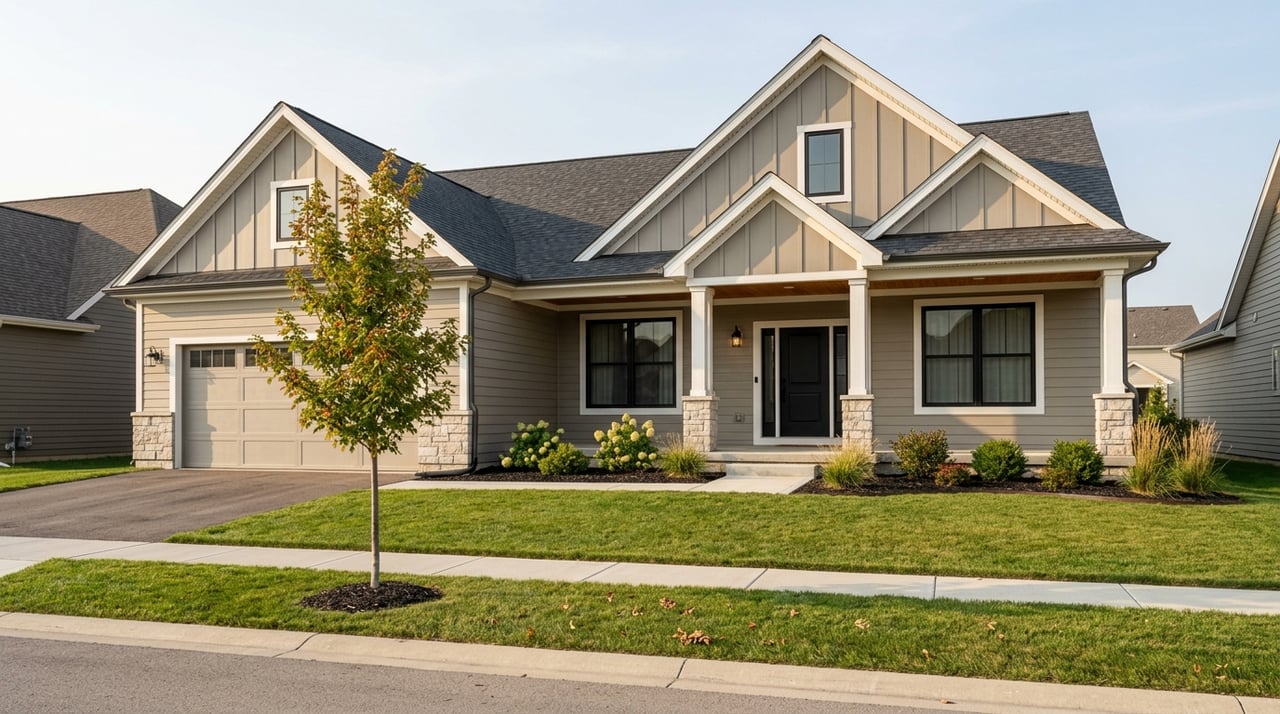
One of the biggest misconceptions about new construction is that every community works the same way. In Grimes, current development activity includes projects such as Blue Creek Village townhomes, Hope Meadows single-family and townhome phases, Brookside Village multi-family and townhomes, Hope Timber Villas townhomes, Willow Hills North single-family, and Hope Horizon concepts that include single-family, townhome, and multi-family housing.
The practical takeaway is simple: new construction in Grimes is not one-size-fits-all. Some communities are centered on detached homes, while others offer attached options or a mix of housing types. That means your search should start with your goals, not just a list of available addresses.
Builder options to know
Production builders
A production builder typically builds in a community on land the builder already owns. You will usually choose from a set of floor plans, model homes, and a menu of standard features and upgrades.
This route can feel more structured and predictable. If you like having a clear starting point and defined choices, a production-style build may fit well.
Custom builders
A custom builder often works from a more flexible design process and may build on land owned by the customer. Compared with production building, this approach usually involves more individual design input and a different pace.
For some buyers, that flexibility is the main appeal. For others, it may feel like more moving parts than they want to manage.
The middle-ground option
Not every new build falls neatly into one category. In many cases, you may find a middle-ground option where the plan is largely selected for you, but you still have choices on finishes, features, or upgrades.
That is why it helps to ask early whether a home is fully custom, plan-driven, or somewhere in between. Knowing that up front can shape your budget, your timeline, and your expectations.
Lot selection matters more than buyers expect
Choosing a lot is about more than picking a location on a map. Grimes’ new residential permit form requires details such as the plat or subdivision, lot number, and zoning.
Site planning also involves items like property lines, easements, setbacks, drainage, utility locations, and the building footprint. In real terms, that means the lot can affect what can be built, where the home can sit, and how smoothly the permit process moves.
If you are comparing lots, ask questions that go beyond curb appeal. A great lot on paper may come with restrictions or site conditions that affect design choices, timing, or cost.
Some communities have extra review steps
In some developments, there may be another layer before the city even processes the permit. For example, the permit packet for property in Heritage at Grimes states that development-architect approval is required first, and that approval may take 3 to 5 business days.
The same packet also reminds applicants to comply with restrictive covenants and easements. So if you are buying in a neighborhood with design rules or recorded restrictions, it is smart to review those early instead of discovering them after you are under a deadline.
What timeline should you expect?
New construction usually takes months
One of the biggest adjustments for buyers moving from resale homes to new construction is timing. National NAHB analysis found that single-family homes built for sale averaged 5.9 months from start of construction to completion, plus about 1 month from lot sale to construction start.
Those are national averages, not Grimes guarantees. Still, they are a useful reminder that new construction is usually a months-long process, not a quick move.
Grimes has its own permit workflow
Grimes also has local rules that can shape the schedule. The city says permits expire if work is not started within 90 days or if no inspection is scheduled for 90 days, and permits may expire if completion is not met within a year.
The city also notes that inspections should be scheduled 24 hours in advance. On top of that, separate electrical, mechanical, and plumbing permits are required, and those trade contractors must be licensed by the State of Iowa.
Why timing can shift
Even when a builder gives you an estimated completion date, there may be adjustments along the way. Permit reviews, inspection scheduling, contractor sequencing, and development-specific approvals can all affect the calendar.
That does not mean the process is off track. It means you should plan with some flexibility and ask how updates will be communicated as construction moves forward.
How contracts differ from resale homes
A new construction contract often works differently from an offer on an existing home. You may see larger upfront deposits or builder earnest money requirements, different timelines for disclosures, and contract language tied to construction progress rather than a fixed move-in date.
That is why it is important to read each section carefully and ask direct questions before signing. The goal is not to make the process feel intimidating. It is to help you understand what is standard, what is optional, and what happens if plans change.
Ask about deposits first
Builders may require an upfront deposit, and one of the most important questions is when that money is refundable. That answer can vary based on the stage of construction, the type of home, and whether you are choosing upgrades or custom selections.
Do not assume every deposit works the same way. Clarifying this early can help you avoid surprises if financing, timing, or plans shift.
Contingencies still matter
Consumer guidance from CFPB recommends making the purchase offer and sales contract contingent on financing and a satisfactory inspection. Those protections can be especially important in a build where many details unfold over time.
It is easy to focus on design selections and forget the contract structure. In reality, the contract is what helps define your protection if something does not go as expected.
Financing may look different too
Construction financing is often different from a standard mortgage on a resale home. CFPB explains that a construction loan is usually short-term, funded in stages as construction progresses, and often carries higher interest than a longer-term mortgage loan.
In some cases, the loan may convert to a conventional mortgage. In others, a borrower may need to reapply if the loan does not automatically convert.
Loan structures to compare
Buyers may come across different structures, including construction-only loans, single-close construction-to-permanent loans, and two-close options. Fannie Mae and Freddie Mac both support construction-to-permanent financing, including one-close and two-close structures.
What matters most for you is understanding how your loan will work from start to finish. Ask what happens at completion, when payments begin, and whether another approval step is required later.
You can shop for your lender
If a builder has an affiliated lender, that does not mean you have to use that lender. CFPB notes that buyers should shop around.
Comparing lenders can help you understand costs, timing, and loan structure options before you commit. It can also give you a clearer picture of whether the builder’s preferred financing is the best fit for your situation.
Questions to ask before you commit
If you want to avoid preventable stress, ask detailed questions early. A short conversation up front can save a lot of scrambling later.
Here are some of the most important questions to ask:
- Is the lot builder-owned, or would I own the lot separately?
- Which features are standard, and which are upgrades?
- How much is the deposit, and when is it refundable?
- Is the financing construction-only, single-close, or two-close?
- Are there architectural-review rules, covenants, easements, or other restrictions?
- Who schedules inspections and final utility activation?
- What steps must happen before the city will process permits?
- How will timeline updates be shared during construction?
Why process guidance matters in Grimes
With multiple housing types, permit steps, review timelines, and financing choices, buying new construction in Grimes is about more than picking a floor plan. You need a clear view of the lot, the builder process, the contract terms, and the closing path.
That is where strong transaction guidance can make a real difference. When you understand the moving pieces early, it is much easier to make confident decisions and keep your build on track.
If you are exploring new construction in Grimes and want a calm, informed guide through the details, Bo Cosens can help you compare options, ask the right questions, and move forward with more clarity.
FAQs
What types of new construction homes are available in Grimes?
- Grimes has a mix of housing types, including single-family homes, townhomes, and multi-family concepts in various developments.
How long does new construction in Grimes usually take?
- New construction often takes months, not weeks. National averages cited by NAHB show about 5.9 months from construction start to completion for single-family homes built for sale, plus about 1 month from lot sale to construction start.
Why does lot selection matter for a new build in Grimes?
- Lot selection can affect zoning, setbacks, easements, drainage, utility layout, building footprint, and permit timing, so it influences more than just where the home sits.
Are there neighborhood restrictions for some Grimes new construction homes?
- Yes. Some developments may require architectural approval and compliance with restrictive covenants or easements before permits move forward.
What should buyers ask about a Grimes new construction deposit?
- You should ask how much the deposit is, what triggers it, and when or whether it is refundable.
Can you use your own lender for new construction in Grimes?
- Yes. CFPB notes that buyers do not have to use the builder’s affiliated lender and should shop around to compare options.
What financing types might apply to a Grimes new build?
- Buyers may see construction-only loans, single-close construction-to-permanent loans, or two-close structures depending on the lender and project.
What local permit details matter for new construction in Grimes?
- Grimes requires separate electrical, mechanical, and plumbing permits, inspection scheduling at least 24 hours in advance, and has permit expiration rules tied to project start, inspection activity, and completion timing.