Trying to choose between Urbandale and Johnston? You are not alone. Many Central Iowa buyers narrow their search to these two northwest Des Moines suburbs because both offer convenient access, established neighborhoods, and plenty of everyday amenities. The real difference comes down to how you want your daily life to feel, how flexible you want your location to be, and where you think future growth fits your goals. Let’s dive in.
Start With the Big-Picture Feel
Urbandale and Johnston may sit close to each other, but their planning priorities point in slightly different directions. Urbandale is guiding growth across multiple corridors and planning for a broader mix of housing types in targeted areas. Johnston, by comparison, is focusing much of its visible change around Merle Hay Road, Town Center, and the Highway 141 and Saylorville Drive area.
For you as a buyer, that can make the choice feel less about distance and more about lifestyle. Urbandale tends to feel more spread out and route-flexible. Johnston tends to feel more centered around a few key corridors and redevelopment areas.
Compare Home Prices and Housing Options
If price matters, and it usually does, Johnston is currently a bit higher at the median based on the March 2026 Redfin city snapshots. Urbandale’s median sale price was reported at $350,000, while Johnston’s was $383,000. That does not mean every home in Johnston costs more, but it does give you a useful starting point.
Urbandale also appears to offer a wider pricing range. The city describes a typical 3-bedroom, 2-bath home of about 1,300 to 2,500 square feet at roughly $200,000 to $400,000, with more upscale homes at $500,000 and up. That can give you a bit more flexibility if you want options across different price points.
Urbandale Housing Snapshot
Urbandale’s comprehensive plan says single-family detached homes remain the core of its neighborhoods. At the same time, the city is also planning for single-family attached and multifamily housing in targeted infill and corridor areas. If you want a suburb with a more mixed housing framework, Urbandale may give you more variety over time.
Johnston Housing Snapshot
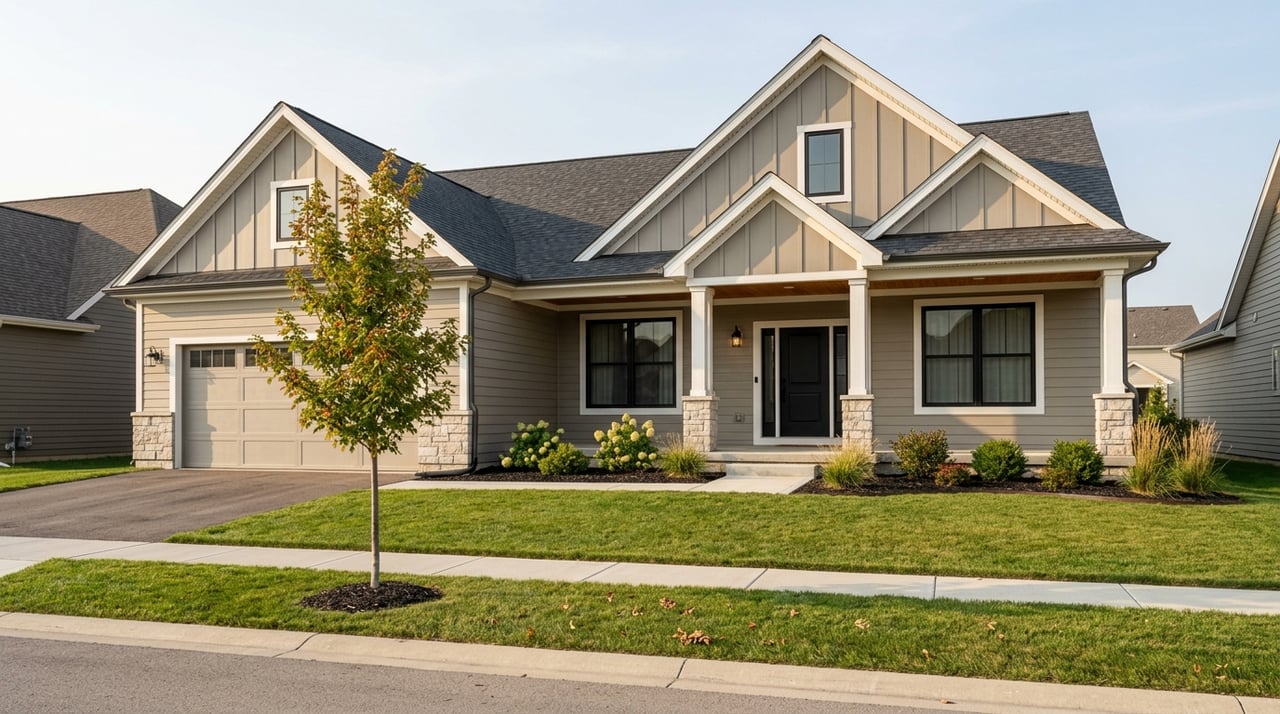
Johnston’s Thrive 2040 materials describe residential areas as generally made up of single-family detached homes on quarter-acre to half-acre lots. The city also allows some bi-attached and other lower-intensity attached housing, and current development cases show that both detached and bi-attached homes continue to be approved. If you are focused mainly on traditional suburban single-family living, Johnston fits that profile well.
Look at Market Speed
Price is only part of the story. Market pace also affects how you should prepare your search and your offer strategy.
In Redfin’s March 2026 snapshot, homes in Urbandale averaged 104 days on market, while homes in Johnston averaged 29 days. That suggests Johnston is moving faster right now, at least in that snapshot. If you are shopping in Johnston, you may need to be ready to act quickly when the right home appears.
If you are considering Urbandale, a longer average market time may give you a little more breathing room in some situations. It can also mean you have more time to compare neighborhoods, floor plans, and commute patterns before making a decision. Every property is different, but the broader trend is worth keeping in mind.
Think About Your Commute and Daily Routes
One of the clearest differences between these suburbs is how they connect to the metro. Urbandale sits at the intersection of I-35, I-80, and Iowa Highway 141, and the city says it has the most access points to I-35 and I-80 in the Des Moines metro. Urbandale also highlights major business and employment corridors including 86th Street, 100th Street, Douglas Avenue, Northpark and Plum, and the Urban Loop.
That translates into practical route flexibility. If your work, family schedule, or errands regularly pull you in different directions, Urbandale’s network may feel easier to work with day to day. The city also says downtown Des Moines is less than 15 minutes away.
Johnston is more centered on Merle Hay Road and the I-35 and I-80 corridor. The city describes the Merle Hay Road Gateway as being on Interstate I-80 and I-35, and it notes ongoing study and infrastructure work tied to Highway 141 and the East of Merle Hay area. That can create a more corridor-centered feel, which some buyers may prefer if they like a more focused pattern of growth and access.
Compare Parks, Trails, and Weekend Life
If outdoor access is part of your decision, both cities offer a lot, but they do it differently. Urbandale emphasizes scale. The city highlights 57 parks, 57 miles of paved trails, 41 playgrounds, and a trail network that connects neighborhoods to commercial areas.
Urbandale also points to Walker Johnston Regional Park, Walnut Creek Regional Park, and Living History Farms as major community assets. If you like the idea of a broad, spread-out park and trail system woven through everyday life, Urbandale stands out.
Johnston has a smaller recreation footprint, but it still offers more than a dozen parks and more than 45 miles of trails. The city notes that Terra Park links to Beaver Creek and Crown Point, while Lew Clarkson Park connects to Beaver Creek and regional trails. Johnston’s Town Center also adds destination-style amenities like a splash pad, seasonal ice rink, event programming, and a weekly farmers market.
What This Means for You
If you want a larger and more distributed network, Urbandale may feel like the better fit. If you like the idea of gathering places and amenities clustered around a central area, Johnston may be more your speed. Neither is better across the board. It depends on how you like to spend your time.
Pay Attention to Future Growth
If you are buying with the next five to ten years in mind, future development matters. Urbandale’s planning documents focus reinvestment on Douglas Avenue and Parkway, Northpark and Plum, Downtown Urbandale, and the Urban Loop. These are the places the city identifies for corridor reinvestment, mixed-use development, employment-oriented growth, and more complete-street style access.
That suggests change in Urbandale may show up across several mature corridors instead of being concentrated in one area. For some buyers, that creates a sense of flexibility and ongoing evolution across the city.
Johnston’s major growth areas are more concentrated. The city highlights the Merle Hay Road Gateway Area, Johnston Town Center, the Saylorville Drive and Highway 141 future growth node, and the East of Merle Hay infrastructure project area. The Gateway Area alone covers 123 acres, and the city says nearly 100,000 vehicles travel through the I-80 and I-35 area daily.
If you prefer a suburb where major change is easier to spot and follows a few highly visible corridors, Johnston may appeal to you. If you prefer growth spread across multiple parts of the city, Urbandale may feel more balanced.
Which Suburb Fits Different Buyers?
Choosing between Urbandale and Johnston gets easier when you connect the facts to your own priorities.
Urbandale May Fit You Better If You Want:
- More route options across the metro
- A larger park and trail network
- A wider apparent price spread
- A city planning framework that includes more housing variety in targeted areas
- Growth spread across several corridors rather than one main center
Johnston May Fit You Better If You Want:
- A suburb with a slightly higher current median price point
- A faster-moving market environment
- A more corridor-centered layout
- Destination-style amenities around Town Center
- Visible redevelopment and infrastructure investment in a few key areas
A Smart Way to Make the Final Call
If you are torn between the two, try comparing them through your weekly routine instead of just a listing alert. Think about where you drive most often, how quickly you want to access trails or parks, whether you want a broader range of housing types nearby, and how comfortable you are with a faster-moving market.
This is especially important if you are a move-up buyer balancing sale timing, purchase timing, and lifestyle changes all at once. A home that looks great online is only part of the equation. The better question is whether the suburb supports the way you want to live once the boxes are unpacked.
Working through that kind of decision often helps buyers avoid chasing the wrong home in the wrong setting. When you know what matters most, your search gets clearer and less stressful.
If you want help comparing Urbandale and Johnston in a practical way, including price point, timing, commute patterns, and the details that can affect a smooth closing, Bo Cosens can help you sort through the options with clear, steady guidance.
FAQs
Is Urbandale or Johnston more affordable for homebuyers?
- Based on March 2026 Redfin snapshots, Urbandale had a median sale price of $350,000 and Johnston had a median sale price of $383,000, so Urbandale appears slightly more affordable at the median.
Is the Johnston housing market moving faster than Urbandale?
- Yes. Redfin’s March 2026 city snapshots showed homes averaging 29 days on market in Johnston and 104 days on market in Urbandale.
Does Urbandale offer more parks and trails than Johnston?
- Urbandale’s city pages highlight 57 parks and 57 miles of paved trails, while Johnston says it has more than a dozen parks and more than 45 miles of trails.
What is the main lifestyle difference between Urbandale and Johnston?
- Urbandale appears more distributed with multiple major corridors and broader route flexibility, while Johnston appears more centered around Merle Hay Road, Town Center, and a few visible growth areas.
Are both Urbandale and Johnston mostly single-family suburbs?
- Yes. Both cities emphasize single-family detached housing, though Urbandale’s planning documents more explicitly call for a broader mix of attached and multifamily housing in targeted areas.
How should buyers choose between Urbandale and Johnston?
- A helpful approach is to compare your budget, commute routes, preferred amenities, comfort with market speed, and whether you want a more distributed suburb or a more corridor-centered one.